About Morocco
Morocco, before you land
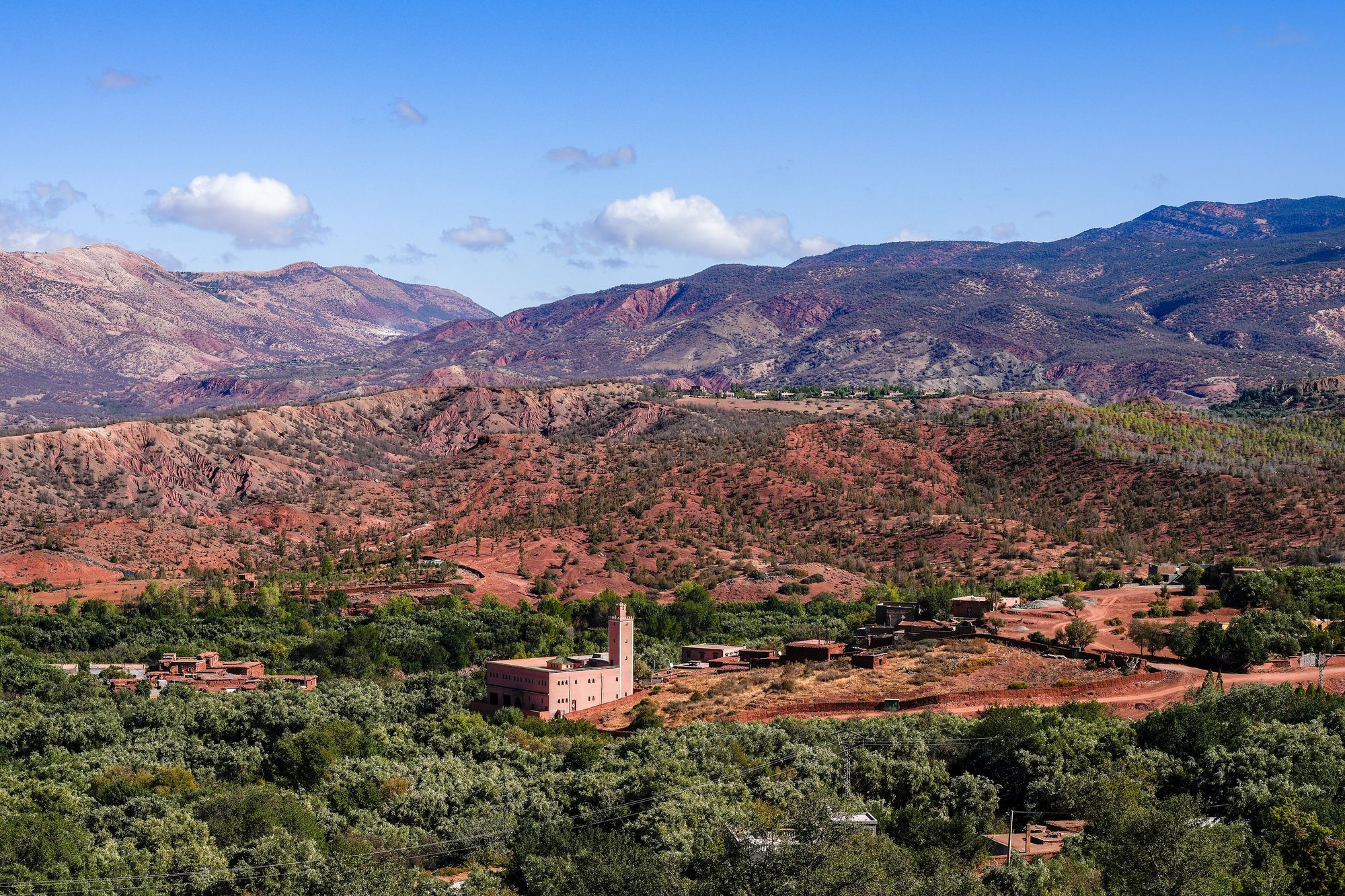
Marhba — welcome to Morocco. For the next few weeks you will live and work alongside Moroccans in Casablanca, Rabat, Meknes or Essaouira, on a coast and in cities shaped by Arab, Amazigh, Andalusian, Jewish and African history. This page gives you the essentials: how people live, what you will eat and hear, how to get around and how to stay safe — so you can arrive ready and spend your energy on your project.
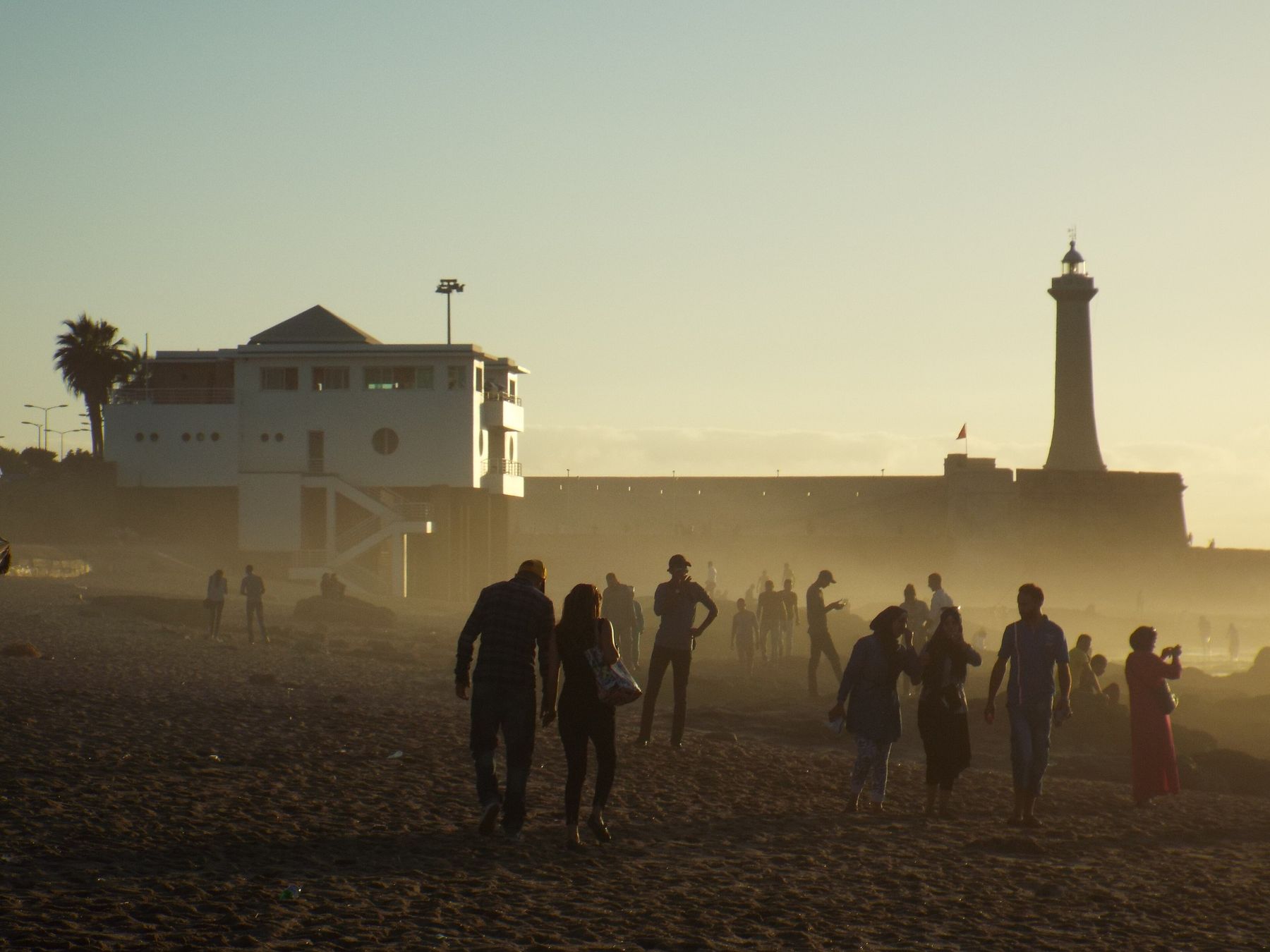
Photo: Timothy A. Gonsalves, CC BY-SA 4.0, Wikimedia Commons
- Capital
- Rabat
- Population
- 36,828,330 (legal population, 2024 General Census, 1 September 2024)
- Languages
- Arabic and Amazigh are the official languages (Constitution of 2011, article 5). Darija (Moroccan Arabic) is the everyday spoken language; French is widely spoken and understood.
- Religion
- Islam is the religion of the State, which guarantees everyone the free exercise of worship (Constitution, article 3).
- Currency
- Moroccan dirham (DH), code MAD. Notes of 20, 50, 100 and 200 DH.
- Time zone
- GMT+1 most of the year; GMT during the month of Ramadan.
- Electricity
- Plug types C and E; 230 V, 50 Hz (European two-pin plugs fit).
- Calling code
- +212
- Emergency numbers
- Police 190 · Ambulance and fire 150 · Gendarmerie (outside cities) 177
- Driving side
- Right (overtaking on the left)
Quick facts checked 12 Oct 2026; each section lists its sources. Photos from Wikimedia Commons, credited under each image.
Culture & people
Culture & people
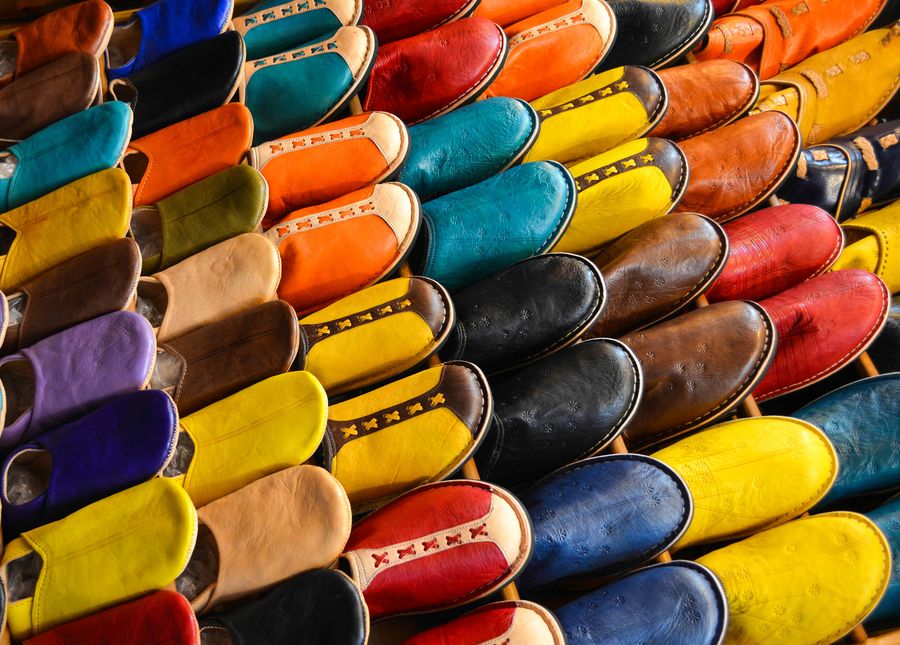
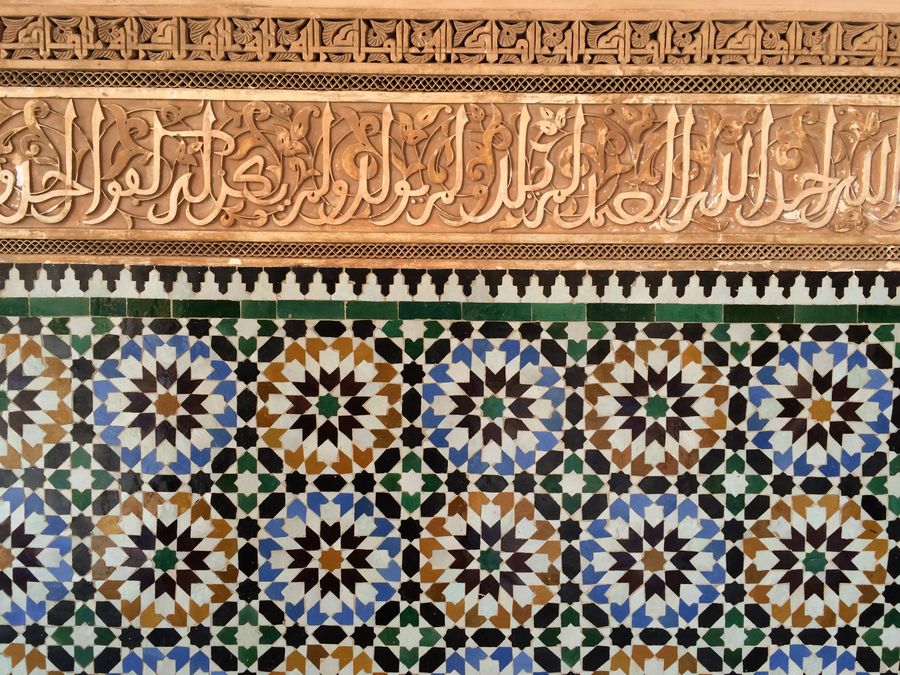
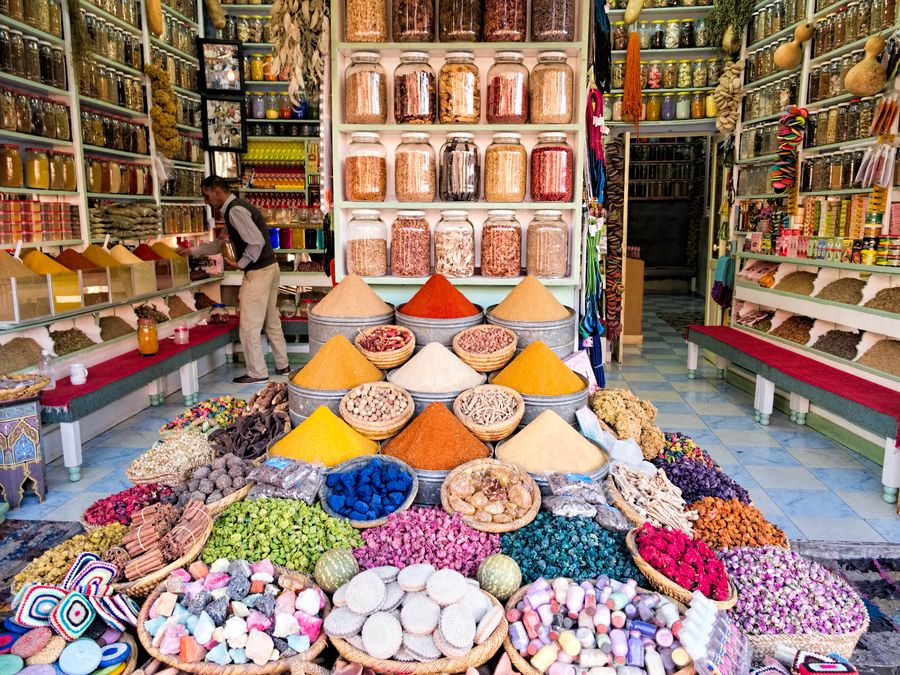
Morocco's 2011 Constitution describes a national identity built from Arab-Islamic, Amazigh and Saharan-Hassani components, enriched by African, Andalusian, Hebrew and Mediterranean influences. You will see this mix everywhere: in the language people speak, in the architecture of the medinas, and on the plate.
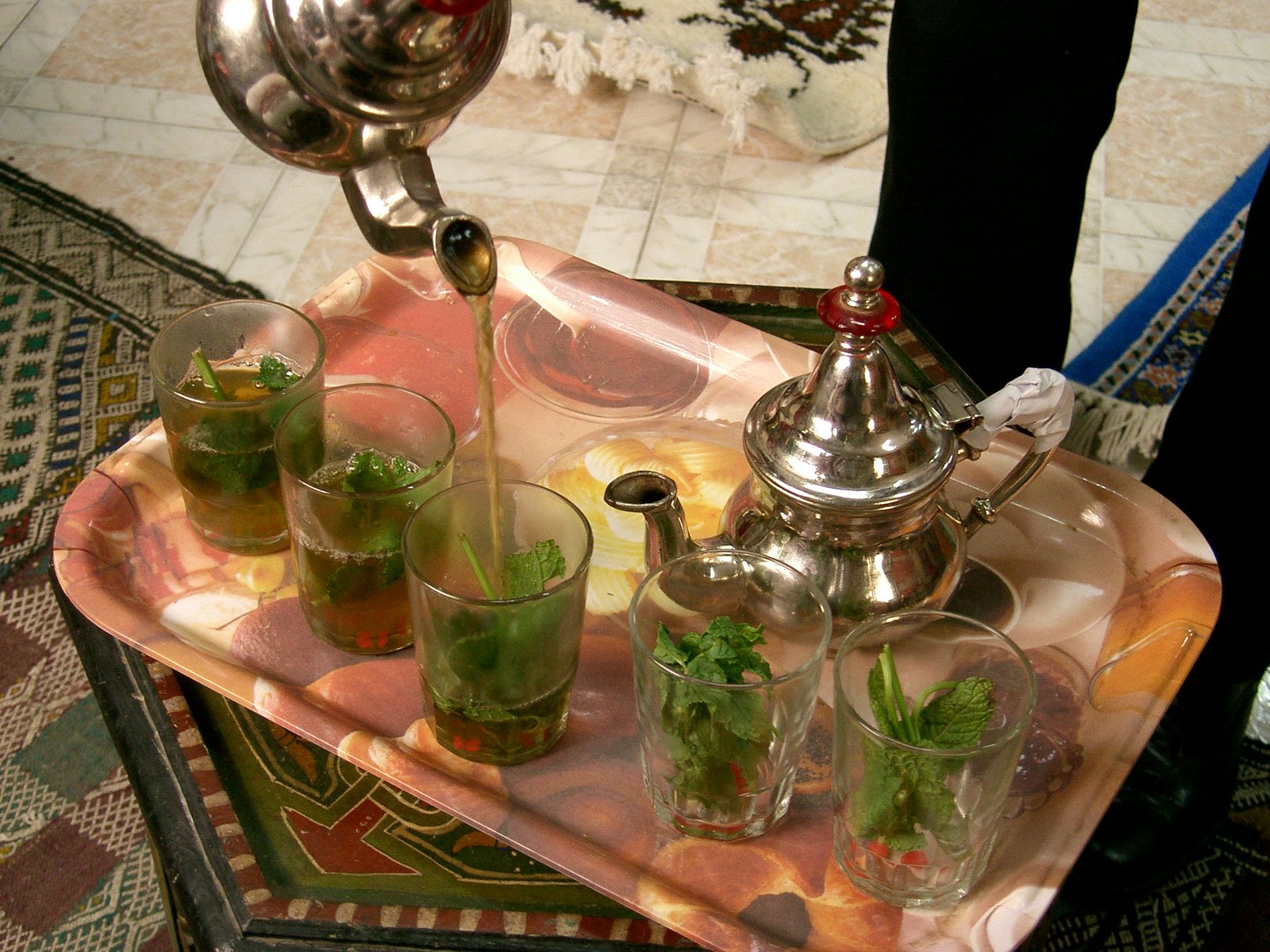
Sharing is at the heart of daily life. Families gather around one table for a couscous or a tagine at lunchtime, and afternoon tea is a fixed moment of the day. Green mint tea, served in small coloured glasses and traditionally poured from high above the glass, is how guests are welcomed — expect to be offered it often.
Some words you will meet from day one: the medina (the old walled town), the souk (market), the riad (a traditional house built around a patio) and the hammam (public steam bath, still part of everyday life for many Moroccans).
A greeting goes a long way. Start conversations with "Salam" and ask "Labas?" (all good?) — a few words of Darija show you are making the effort.
- Accept the tea when it is offered; it is a gesture of welcome.
- Learn a few Darija words (see Language) — people notice and appreciate it.
- If you are invited home, you are being treated as a guest: let your hosts guide you.
Sources: adala.justice.gov.ma, visitmorocco.com, visitmorocco.com, visitmorocco.com, visitmorocco.com
Language
Language
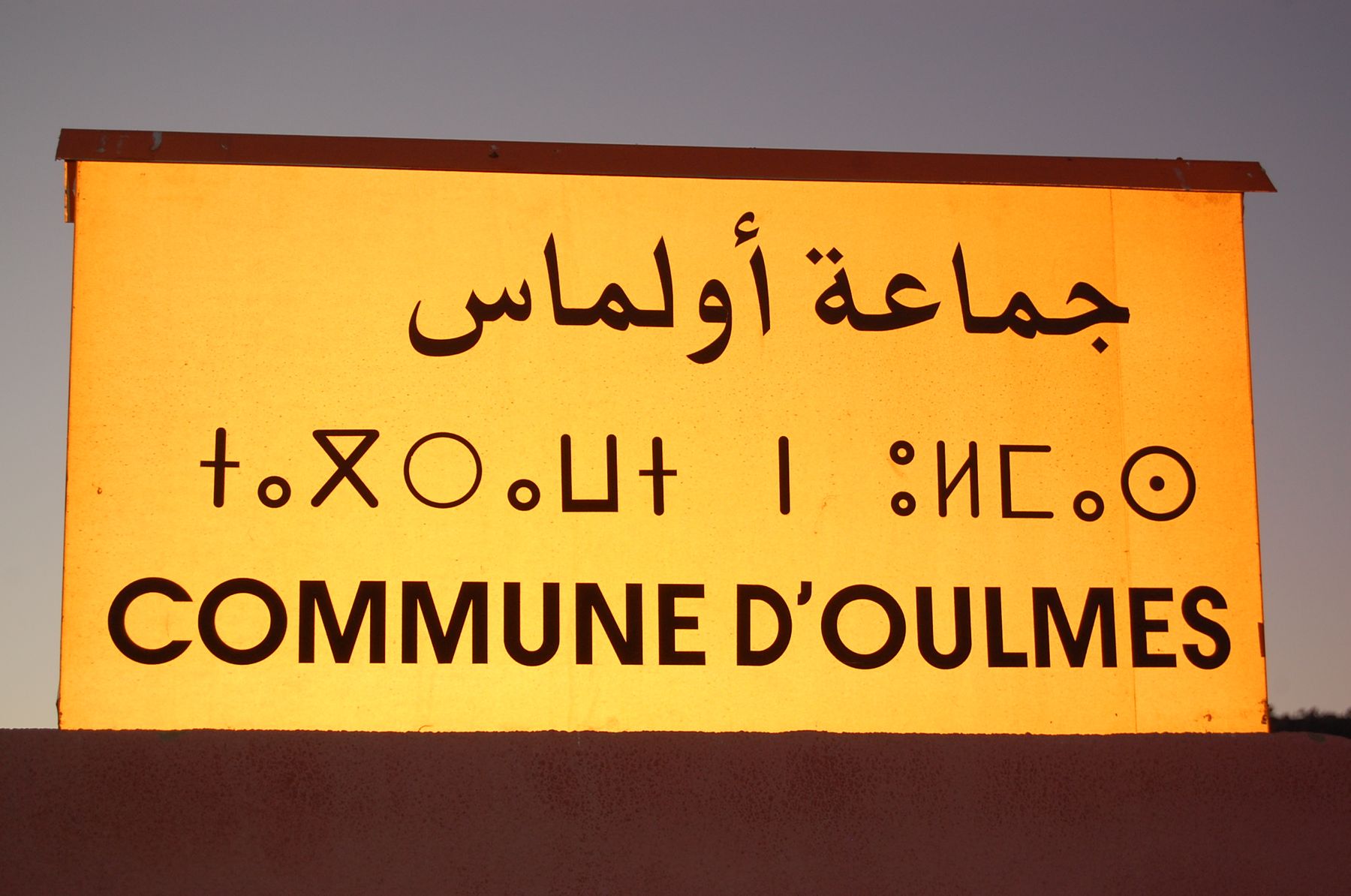
Arabic and Amazigh are Morocco's two official languages; Amazigh is written in the Tifinagh alphabet. Classical Arabic is mostly used in administration and writing.
What you will hear in the street is Darija, Moroccan Arabic, a spoken language that mixes Arabic, Amazigh, French and Spanish. French is spoken and understood by almost all Moroccans, so French speakers will find it easy to get by. Spanish is also widely spoken in the north and south of the country.
A handful of Darija words will make your first weeks much easier. Spellings vary because Darija is mostly spoken, not written.
- SalamHello
- Kidayr / Labas?How are you? / All good?
- Labas, hamdoullahFine, thank God
- Chokran (bezzaf)Thank you (very much)
- La, chokranNo, thank you
- SmahliExcuse me / Sorry
- MarhbaWelcome
- Bch'hal?How much?
- MezyanGood
- Fin kayn...?Where is...?
- BeslamaGoodbye
Sources: visitmorocco.com, adala.justice.gov.ma
Food & drink
Food & drink
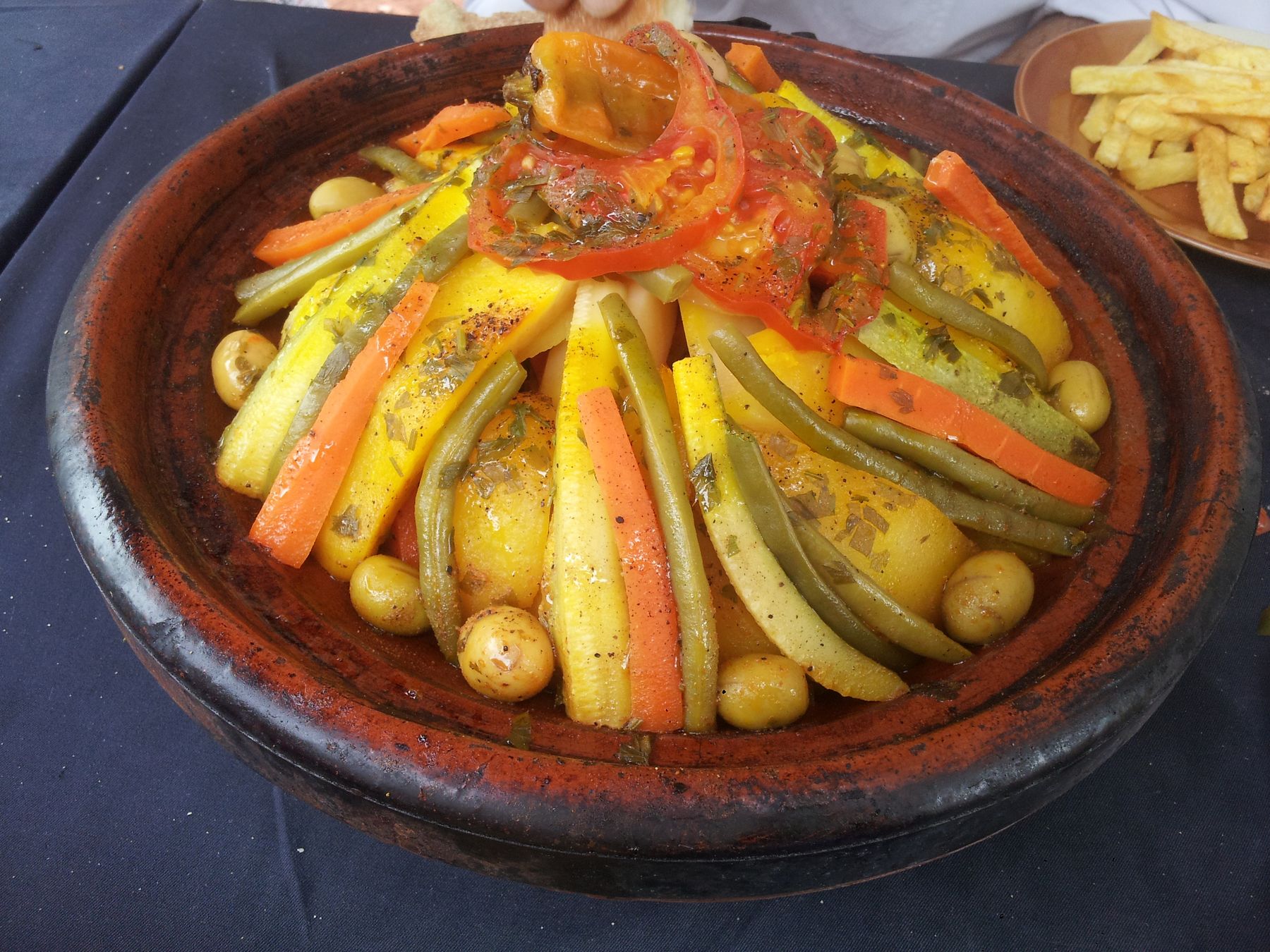
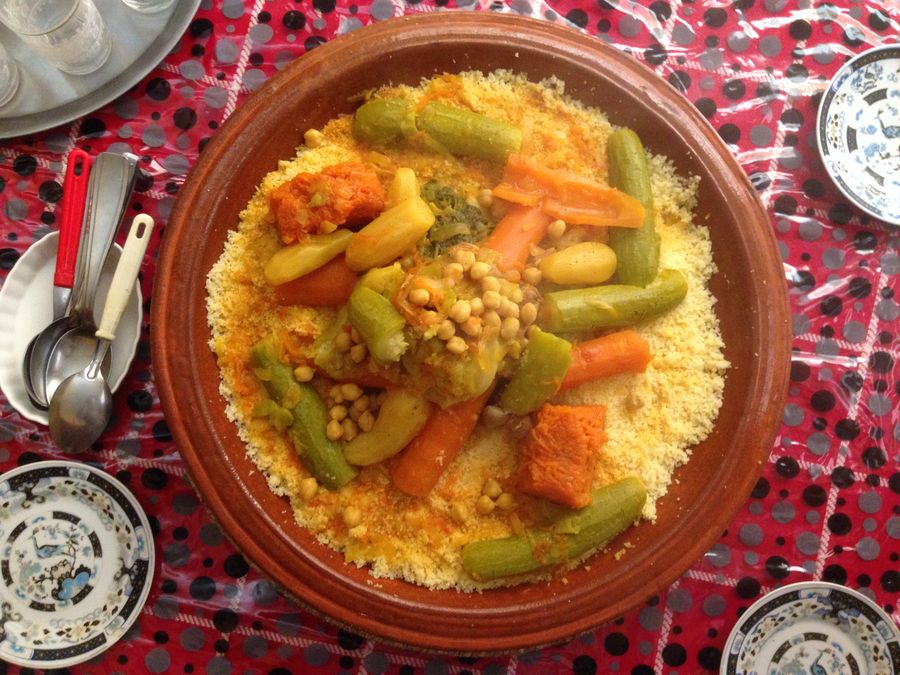
Moroccan cooking draws on Amazigh, Arab-Andalusian and Jewish traditions. The tagine is the dish you will meet most: fish, chicken, meat or vegetables, sometimes with prunes, apricots or nuts, slow-cooked with spices in a conical clay pot. Couscous, which comes from Amazigh tradition, is traditionally eaten on Fridays, often with the whole family, served with meat, chicken, fish or vegetables and a vegetable broth.
Harira — a soup of pulses, tomatoes, pasta and flour — is served in most restaurants and is traditionally eaten during Ramadan. Meals often start with Moroccan salads such as zaalouk (smoked aubergine purée). Bread is the main staple and comes with traditional main dishes. Msemen, Moroccan flaky pancakes, are the base of rfissa, a dish that originates in Casablanca, made with chicken, lentils and spices.
Mint tea is the national drink and a ritual of welcome. Fermented milk (lben) and yoghurt (raib) are also part of everyday eating.
Vegetarians can manage: vegetable tagines, vegetable couscous and cooked salads are standard dishes. Tell your hosts clearly that you do not eat meat or fish.
- Tap water: ask your host family or AIESEC host what they drink and follow local advice.
- Wash and peel fruit and vegetables, and make sure meat is well cooked.
Sources: visitmorocco.com, visitmorocco.com, visitmorocco.com, gov.uk
Religion & etiquette
Religion & etiquette
Islam is the religion of the State, and the Constitution guarantees everyone the free exercise of worship. Friday has a special place in the week: it is the traditional day for the family couscous.
Ramadan is the holy month for Muslims. Between sunrise and sunset, eating, drinking, smoking or chewing gum in public may cause offence, and shops and restaurants may change their opening hours. Morocco also moves its clocks back one hour (to GMT) for the month. The next Ramadan is expected to start in February 2027.
Dress modestly, especially near religious sites and during Ramadan: loose clothing that covers arms, legs and chest is a safe choice. Avoid public displays of affection, and drinking alcohol in the street is illegal.
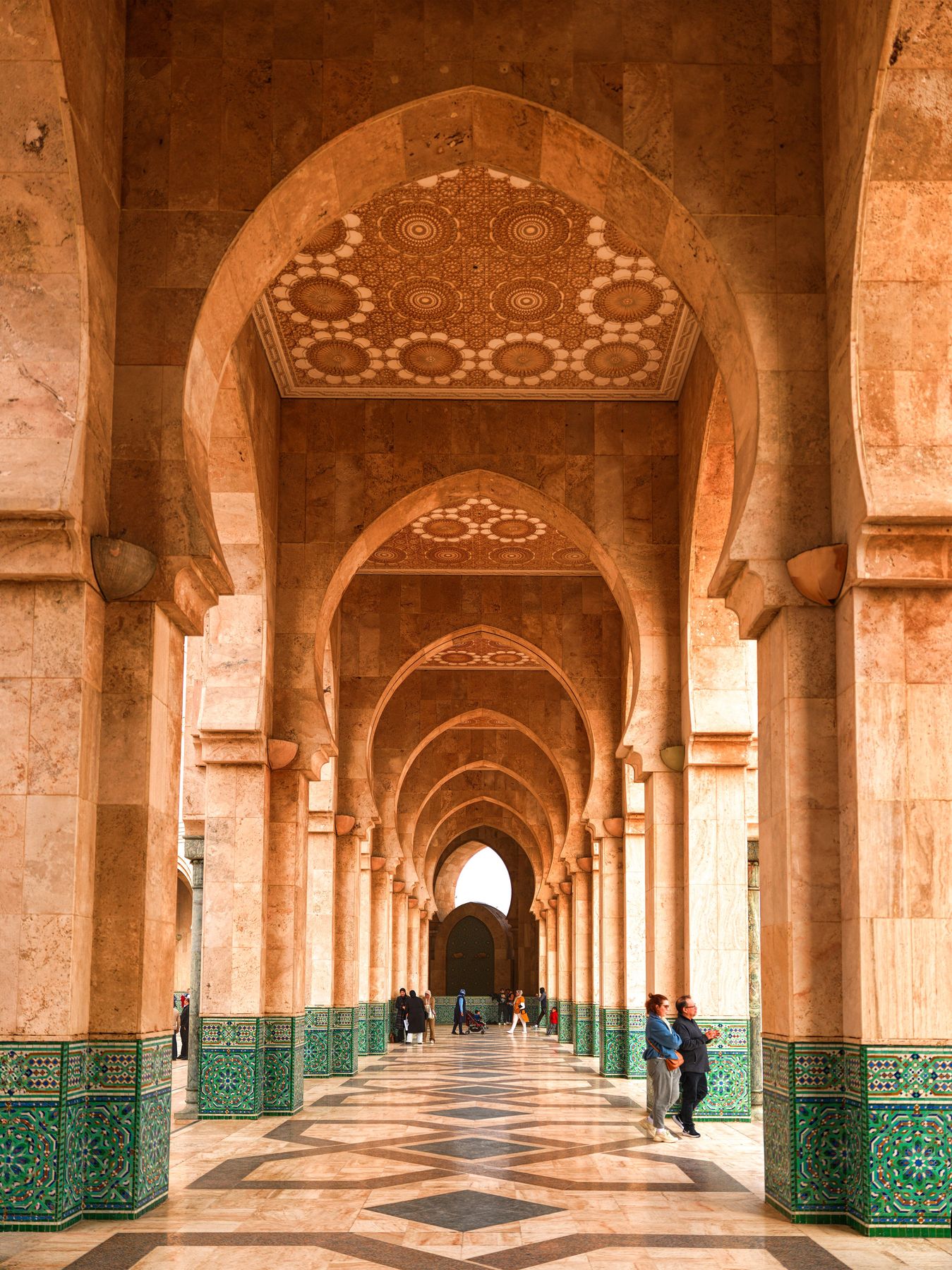
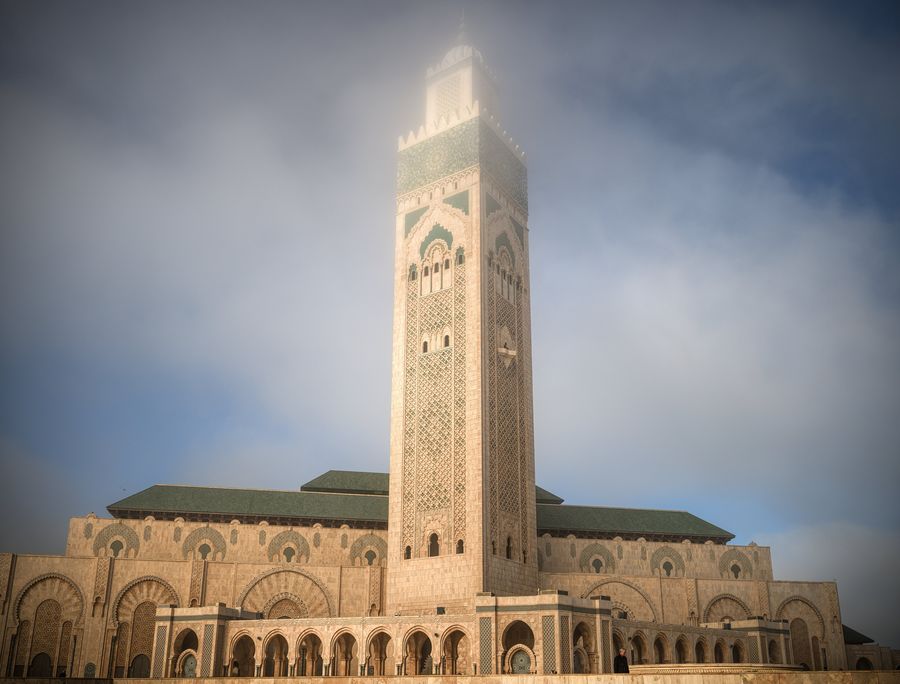
Do not enter a mosque unless you are invited or on an organised visit. The Hassan II Mosque in Casablanca runs guided tours that are open to non-Muslims, every day except Fridays and outside prayer times; check current times locally before you go.
- Always ask before you photograph people, especially children.
- Do not photograph military, police or other sensitive government sites.
- Flying a drone requires authorisation from Morocco's civil aviation authority.
- In Ramadan, eat and drink discreetly during the day — your hosts will show you where it is fine.
Sources: adala.justice.gov.ma, gov.uk, gov.uk, travel.gc.ca, visitmorocco.com, visitmorocco.com
Climate & what to pack
Climate & what to pack
The Atlantic keeps Casablanca and Rabat mild all year. Official 1991–2020 averages for Casablanca run from about 9–18 °C in January to 21–27 °C in August; Rabat-Salé is similar, about 7–17 °C in January and 18–28 °C in August. Summers (June–August) are almost dry; most rain falls between October and April, with November usually the wettest month.
Meknes is inland, so summers are hotter and winter nights colder. For nearby Fes, the official averages range from about 4–16 °C in January to 18–35 °C in July and August, with the same dry summer and wet winter pattern.
Essaouira is on the Atlantic and known for its steady wind, which draws surfers, windsurfers and kitesurfers. Plan for breezy days and cool evenings even in summer.
- Summer: light, loose clothes that cover shoulders and knees, a hat, sunscreen and a refillable bottle.
- Inland in summer (Meknes): plan outdoor activities for mornings and evenings.
- October–April: a warm layer and a rain jacket.
- Essaouira: a windproof jacket, whatever the season.
- Comfortable shoes for medina streets and a plug that fits type C/E sockets.
Sources: worldweather.wmo.int, worldweather.wmo.int, worldweather.wmo.int, visitmorocco.com, worldstandards.eu
Your project cities
Your project cities
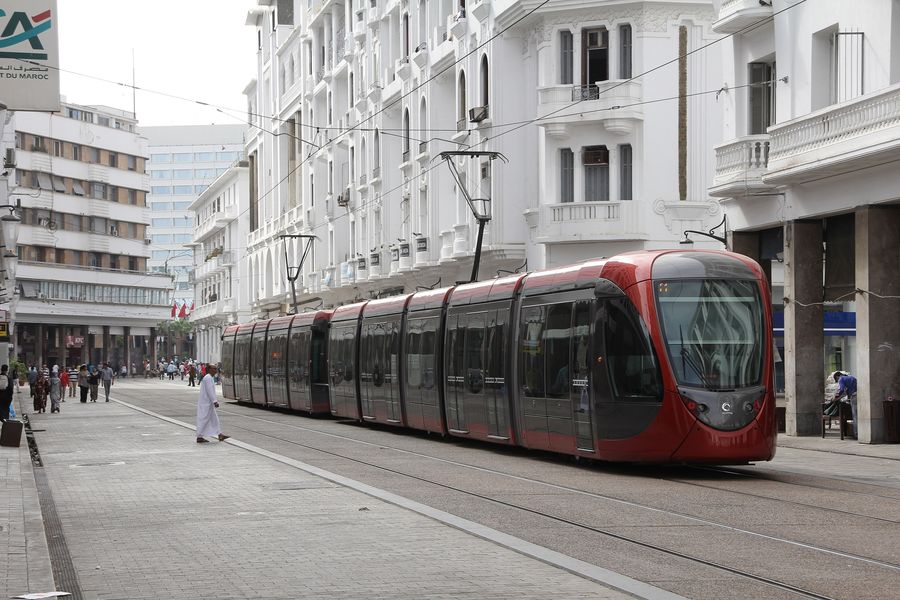
Casablanca is Morocco's largest city — about 3.2 million people in the 2024 census — and its economic heart. It sits on the Atlantic, with a long corniche and beaches, an art-deco city centre and a medina. The Hassan II Mosque, built over the water, is its best-known landmark. The city is served by a tramway and busway network.
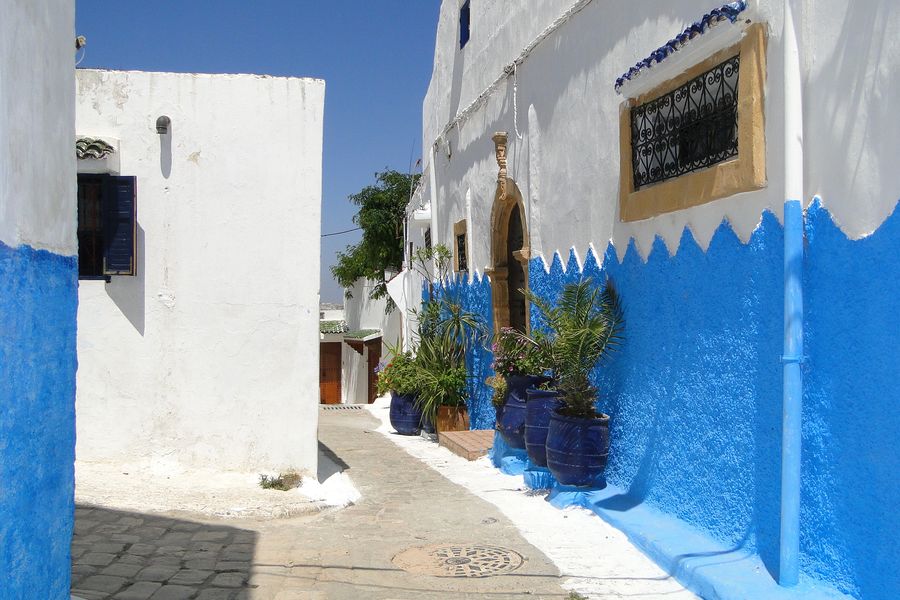
Rabat is the capital, on the Atlantic coast, next to its twin city Salé. "Rabat, Modern Capital and Historic City: a Shared Heritage" was inscribed on the UNESCO World Heritage List in 2012: it covers the new town built from 1912 to the 1930s as well as older districts dating back to the 12th century. The Kasbah of the Udayas and the Chellah are among its historic sites, and the city is known for its green spaces and music festivals such as Mawazine.
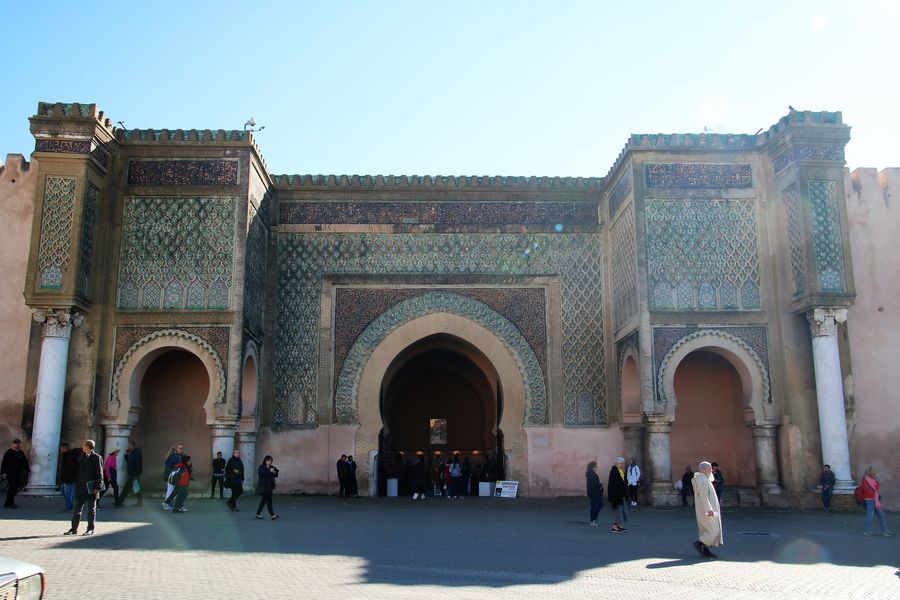
Meknes is one of Morocco's four imperial cities, along with Rabat, Fes and Marrakech. Founded in the 11th century, it became a capital under Sultan Moulay Ismail (1672–1727), who surrounded it with high walls and monumental gates; the Historic City of Meknes was inscribed on the UNESCO World Heritage List in 1996. Bab Mansour gate opens onto El Hedim square, and the Roman site of Volubilis lies to the north of the city.
Some Meknes projects take place in Ouislane, a municipality of the Prefecture of Meknes just next to the city (about 112,000 inhabitants in the 2024 census).
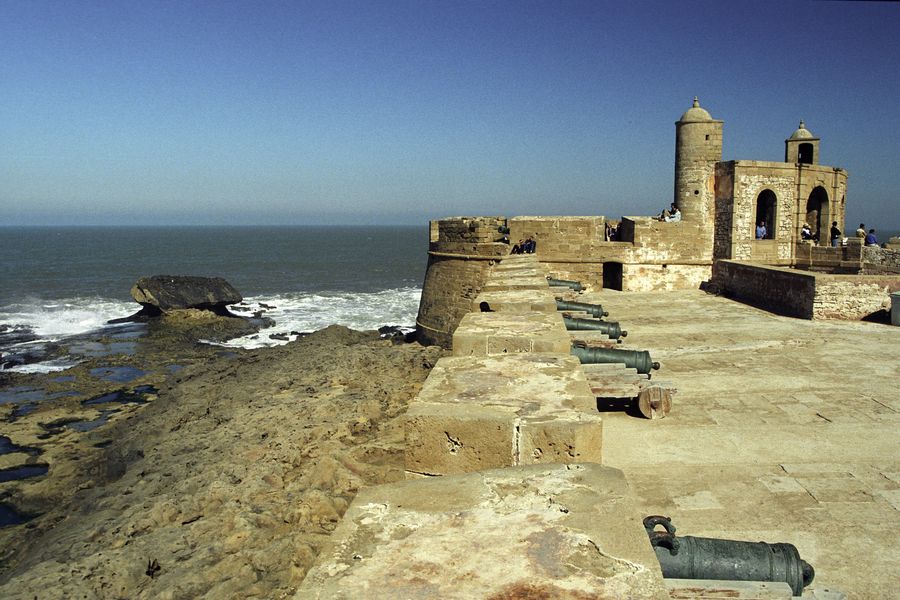
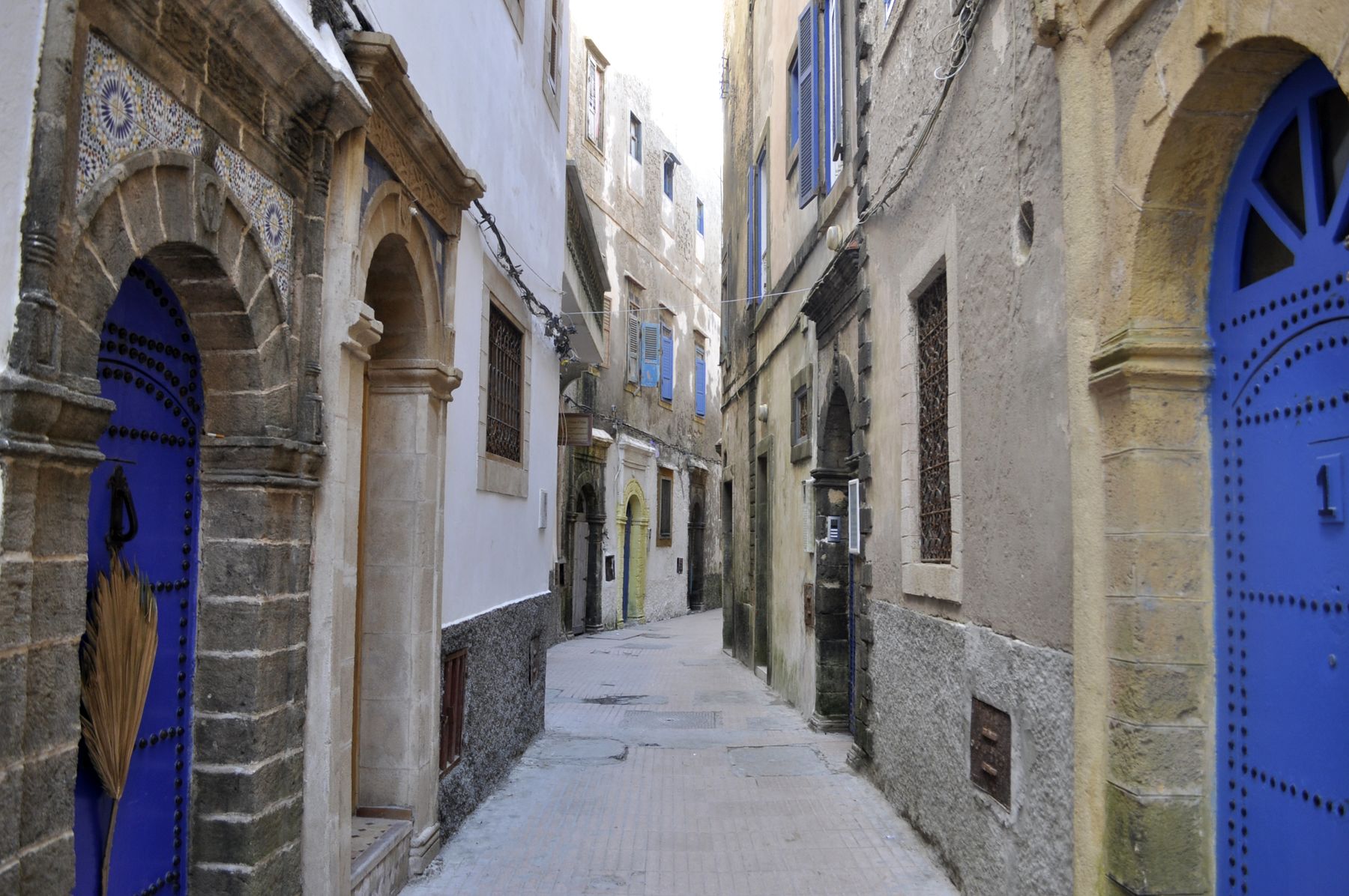
Essaouira, the former Mogador, is a late-18th-century fortified port town on the Atlantic. Its medina was inscribed on the UNESCO World Heritage List in 2001. Life here turns around the fishing port, the ramparts and the beach, and each summer the town hosts the Gnaoua music festival.
- Ask your host which medina gate or tram station is closest to your home and workplace — it is how locals give directions.
Sources: hcp.ma, hcp.ma, visitmorocco.com, visitmorocco.com, visitmorocco.com, visitmorocco.com, visitmorocco.com, whc.unesco.org, whc.unesco.org, whc.unesco.org, casatramway.ma
Safety & health
Safety & health
The usual big-city common sense applies. Petty theft such as pickpocketing and bag-snatching happens in busy tourist areas, especially medinas and beaches: keep valuables out of sight, avoid quiet streets after dark, and use only official guides with a badge. Women travelling alone may receive unwanted attention; your AIESEC team can tell you which areas and times to prefer.
Some laws differ from what you may be used to. Morocco has zero tolerance for drugs, with long prison sentences. Same-sex relations are illegal, and public displays of affection can lead to prosecution. Read the full official advice for your nationality before you travel.
Public hospitals offer limited care; private clinics generally have higher standards, and pharmacies are open 24 hours in every city and district. Bring enough of any regular medication for your whole stay. Take out travel health insurance that covers treatment and medical evacuation for the full length of your exchange.
- Police: 190
- Ambulance and fire: 150
- Gendarmerie (outside cities): 177
- Save your AIESEC host's number and your embassy's number in your phone before you land.
- Check your own government's travel advice for Morocco before departure.
Sources: gov.uk, gov.uk, gov.uk, travel.gc.ca
Getting around
Getting around
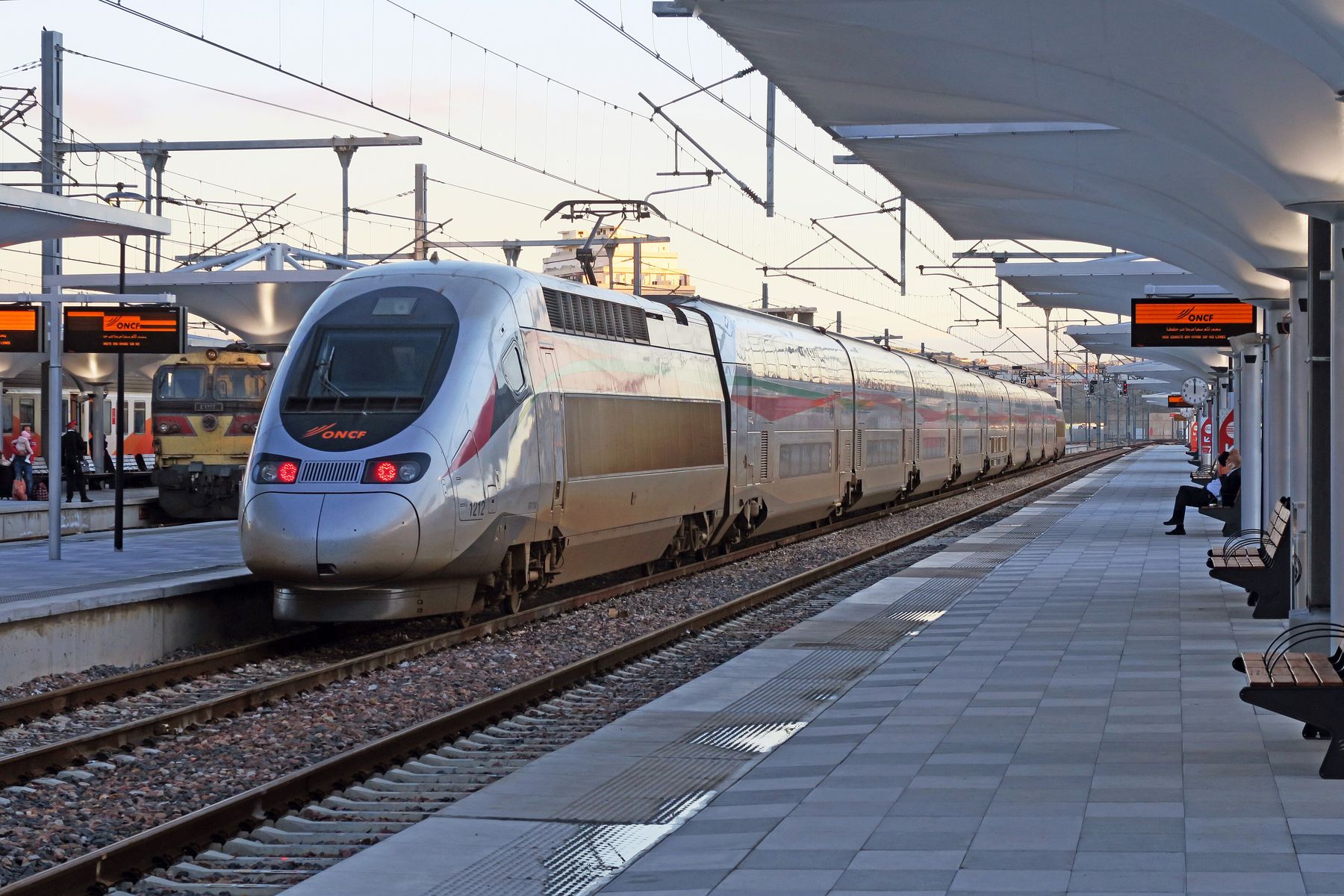
Trains are run by ONCF, the national railway, which serves most major cities. Al Boraq, Africa's first high-speed train, opened in November 2018 and links Tangier, Kenitra, Rabat (Agdal station) and Casablanca (Casa Voyageurs). Classic trains connect Casablanca and Rabat with Meknes and Fes, and frequent shuttles run between Casablanca and Rabat. Tickets can be bought at the station or on the ONCF website.
Where there is no railway — Essaouira, for example — coaches take over. Supratours, the coach company linked to ONCF, connects with trains (Essaouira is reached by Supratours coach from Marrakech station), and CTM runs coaches between cities across the country.
In town, petit taxis are small city taxis with a meter; each city has its own colour (red in Casablanca, blue in Rabat). They carry up to three passengers and the driver may pick up others along the way. Grand taxis are larger shared cars for trips between towns and villages: you pay per seat and the car leaves when it is full. Casablanca has a tramway and busway network, and Rabat and Salé are linked by tramway.
- Ask the petit taxi driver to use the meter, or agree on the fare before you get in.
- Late at night, take taxis with care; if you feel uncomfortable, end the ride somewhere well lit.
- For Al Boraq, Rabat's station is Rabat Agdal, not Rabat Ville.
- Ride-hailing cars may be unlicensed and uninsured for passengers — ask your host what locals use.
Sources: visitmorocco.com, visitmorocco.com, maroc.ma, seat61.com, ctm.ma, en.wikipedia.org, gov.uk, casatramway.ma, tram-way.ma
Ready to find your project?
50 open Global Volunteer opportunities in 4 Moroccan cities.
Find projects